


Renew Counseling

Low-Cost Counseling in the Tri-Cities


Quality therapy shouldn't be out of reach. Our reduced-fee program pairs you with a counselor-in-training in their final year of graduate school — supervised by a licensed Renew clinician and by their university faculty. You get the same warm, client-centered counseling Renew is built on, at a fraction of our standard fees.

The people you'd meet

Our current counselors-in-training

They join us for roughly a year at a time. When one is accepting new clients, you'll find them here.
Portrait of Kat Ahlgreen

Kat Ahlgreen

Counselor-in-Training · MA Candidate, Phoenix University, Clinical Mental Health Counseling

Kat is passionate about mental health and serving the Tri-Cities. She brings years of experience working in the community with teens and other nonprofit agencies. While at Renew Counseling, Kat will work with teens (13+) and adults using a warm, collaborative, and client-centered approach. She believes you are the expert on your own life, and her role is to help you discover your strengths while providing guidance, support, and practical tools. As a trauma-informed counselor-in-training, she strives to create a safe and welcoming space where you feel heard, respected, and empowered. Kat is available to see clients starting in August 2026.

Supervised by Jessica Wallace, LMHC
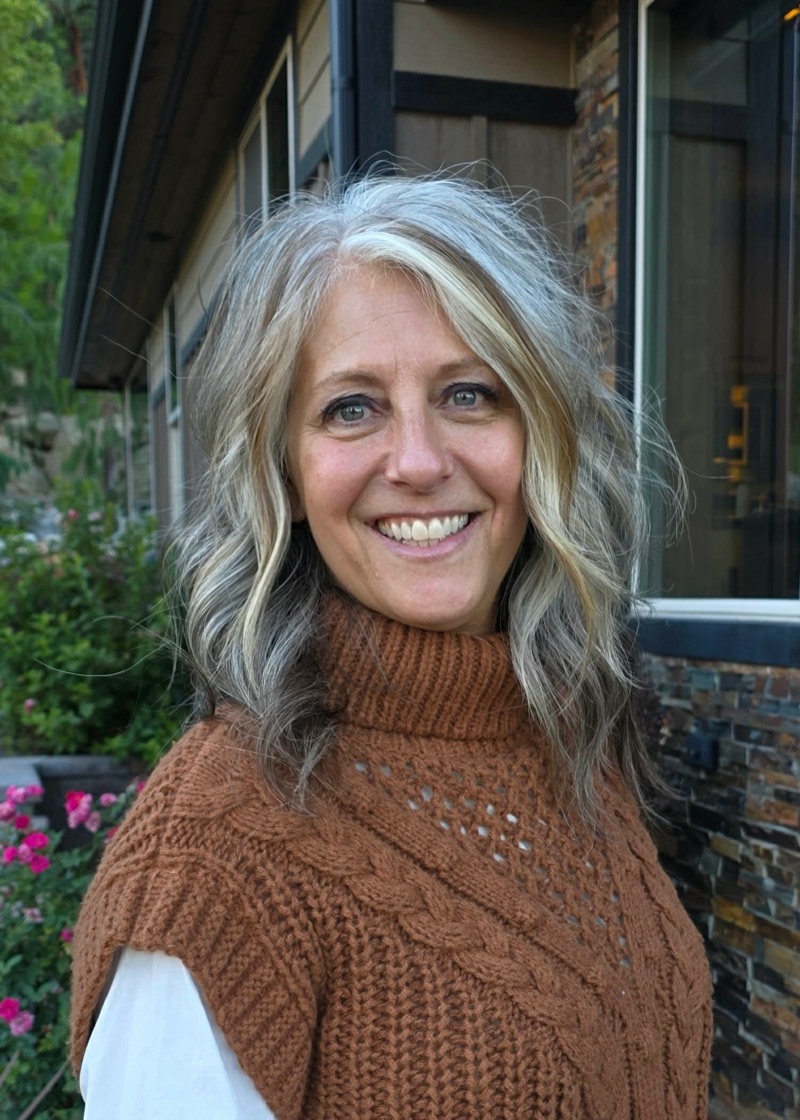
Liz Rosen

Counselor-in-Training · MA Candidate, Colorado Christian University, Marriage and Family Therapy

Starting September 2026.

More info coming soon.

What it costs

Straightforward, reduced fees

15-min consultation
Free
Intake session
$45
Ongoing session
$45

One flat rate, every visit.

A free consultation first

Start with a free 15-minute consult to see whether the fit feels right before you commit to anything.

Telehealth or in person

Meet online from anywhere in Washington State, or in person at our Richland office.

Is this a good fit?

Who our low-cost program serves best

Great for

  • Teens (13+) and adults who want consistent, affordable talk therapy for concerns like anxiety, depression, stress, grief, self-worth, and life transitions.
  • Anyone whose budget makes standard private-pay counseling hard to sustain, but who wants a genuine, ongoing therapeutic relationship.

Better elsewhere

  • Active crises or safety emergencies — please use the resources on our Resources page, or call or text 988.
  • Children 12 and under, or needs that call for specialized, higher-intensity care. We're glad to offer referrals.

Let's see if low-cost counseling is right for you

Start with a free 15-minute consult. We'll listen to what's going on, answer your questions, and match you with an available counselor-in-training.

A licensed Renew counselor mentoring a counselor-in-training during a session

For graduate students

Thinking about training with Renew?

We host a small number of practicum and internship students each year and treat supervision as a real investment — not free labor. If you're in the final year of a CMHC or MFT program and want hands-on experience in a relational, client-centered private practice, we'd love to hear from you.

You'll carry a supported caseload, meet weekly with a licensed supervisor, and build the clinical hours you need toward licensure.

Modalities Explained

The world of counseling offers an array of tools, techniques, and approaches, commonly known as "modalities." Below is a brief overview of the various techniques you may encounter at Renew Counseling.

EMDR is a unique therapy developed to alleviate distress from traumatic memories, often used for treating trauma. Through guided eye movements, a therapist helps clients reprocess these memories, making them feel less intense and more distant. Unlike traditional talk therapy, EMDR is brief and direct, often providing relief in fewer sessions. If you’re grappling with unsettling memories, EMDR might be the transformative approach you need.

Both EFT and EFIT are emotion-centered therapeutic approaches grounded in the belief that emotions play a pivotal role in identity and decision-making. EFT, utilized with couples, focuses on fostering and restoring emotional bonds, recognizing negative interaction patterns, and emphasizing emotional connection to strengthen relationships. EFIT, tailored for individuals, draws from similar principles, concentrating on understanding, regulating, and transforming emotional experiences. Both methodologies stress the transformative potential of emotions and aim to promote deep emotional awareness and responsiveness. In both contexts, the therapist guides clients to achieve greater emotional congruence, resilience, and improved interpersonal bonds.

IFS is a therapeutic approach that recognizes multiple sub-personalities or “parts” within an individual. These parts may have conflicting roles or desires, which can lead to internal strife and emotional challenges. IFS therapy helps clients understand, appreciate, and integrate these various parts to achieve greater self-awareness and healing. The therapist works with the client to heal their wounded parts and balance their internal system.

This therapy emphasizes unconscious processes and the influence of past experiences on present behavior. Clients are encouraged to explore unresolved issues and internalized conflicts from their past to understand how these issues impact their current relationships and behaviors. By bringing these unconscious thoughts and feelings to the conscious mind, clients can gain insight, resolve inner conflicts, and improve interpersonal relationships. The therapist acts as a guide, helping the client to recognize and understand deep-seated patterns and beliefs.

At its core, the Townsend Model suggests that personal growth thrives in an environment characterized by grace (unconditional acceptance), truth (transparent, honest feedback), and time. Such nurturing surroundings foster the development of a person’s “character”. Conversely, in the absence of this environment, “character deficits” may arise, leading to insecure attachment styles, a lack of boundaries, rigid thinking patterns, or feeling unequal to others. These deficits can manifest as symptoms within self (e.g., depression), unhealthy relationships, and decreased functioning in daily life. Our counseling journey aims to pinpoint the root causes of these symptoms. We’ll work together to promote healing and growth at the foundational character level, within a space of grace and truth. As we address these deep-rooted issues, the alleviation of symptoms naturally follows.